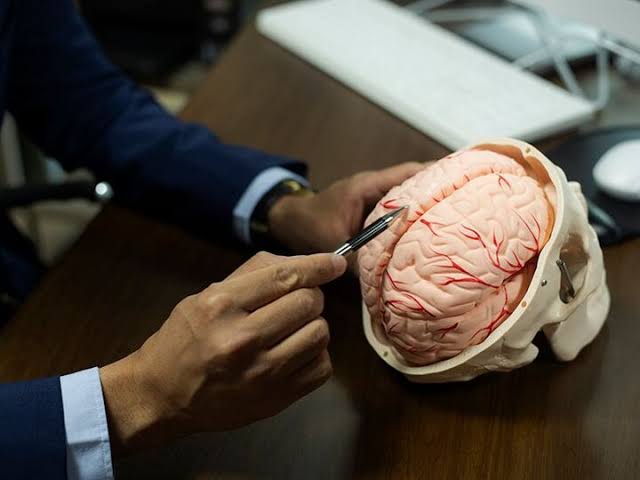
Iran has announced the successful development of a laboratory-scale artificial brain made from living human neurons, marking a significant step toward the future of biological computing.
Ataollah Pour-Abbasi, Secretary of Iran’s Cognitive Sciences and Technologies Development Taskforce, said researchers have mastered the technology needed to culture nerve cells outside the human body, allowing them to form synaptic connections and develop learning neural networks.
According to Pour-Abbasi, the breakthrough provides the foundation for creating computer processors based on living brain cells. He added that an Iranian knowledge-based company has already produced an experimental prototype of the technology.
He claimed that biological processors could deliver dramatically faster computing performance while consuming up to one million times less energy than conventional silicon-based processors, making the technology a major focus of global research.
While acknowledging that commercial applications are still some time away, Pour-Abbasi said Iran has acquired the expertise required to independently develop and advance the technology.
He also stated that Iran is progressing alongside other leading countries working on next-generation biological computing systems.
The technology, known as organoid intelligence or biological computing, uses living human neurons to build computational systems that mimic the brain’s ability to process information in parallel while using extremely low amounts of energy.