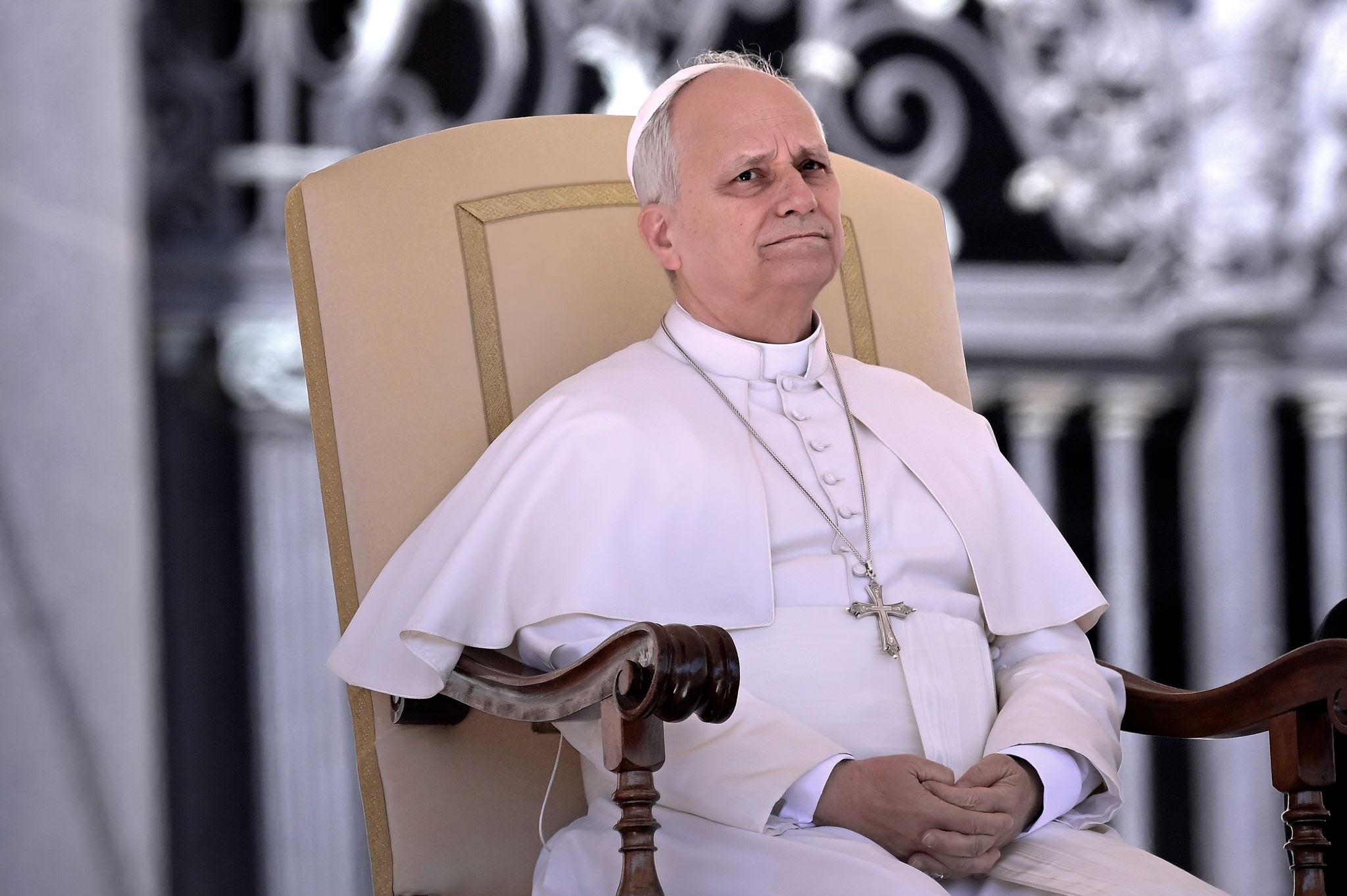
Pope Leo XIV has called on governments around the world to “disarm” artificial intelligence, warning that the rapidly advancing technology could become a tool of domination, exclusion and death if left unchecked.
The appeal was made in his first major manifesto, an encyclical titled Magnifica Humanitas (“Magnificent Humanity”), presented at the Vatican on Monday.
Describing AI as both a valuable tool and a growing threat, the pope stressed that technology should serve humanity and the common good rather than power or profit.
“Artificial Intelligence now demands to be disarmed, freed from logics that turn it into an instrument of domination, exclusion and death,” he said during the presentation.
The encyclical, regarded as an authoritative teaching document for the Catholic Church’s 1.4 billion followers, follows several years of study by the Church into AI-related technologies.
The pope was particularly critical of the use of AI in warfare, warning that AI-supported autonomous weapons systems have made war “more feasible.” He said lethal decisions should never be entrusted to AI systems and insisted that any military use of AI must be subject to strict ethical constraints.
At the same time, Pope Leo XIV clarified that “to disarm does not mean rejecting technology, but preventing it from dominating humanity.”
He also warned against the concentration of technological power in the hands of a small number of influential groups, saying such control could shape information, influence democratic systems and steer economic activity for private advantage.
The pope called for strong legal frameworks, independent oversight, informed users and responsible political leadership to regulate AI effectively.
The Vatican presentation was attended by several AI experts, including Chris Olah, co-founder of Anthropic. Olah acknowledged that AI companies often operate under pressures and incentives that may conflict with ethical decision-making and welcomed outside guidance from institutions such as the Catholic Church.