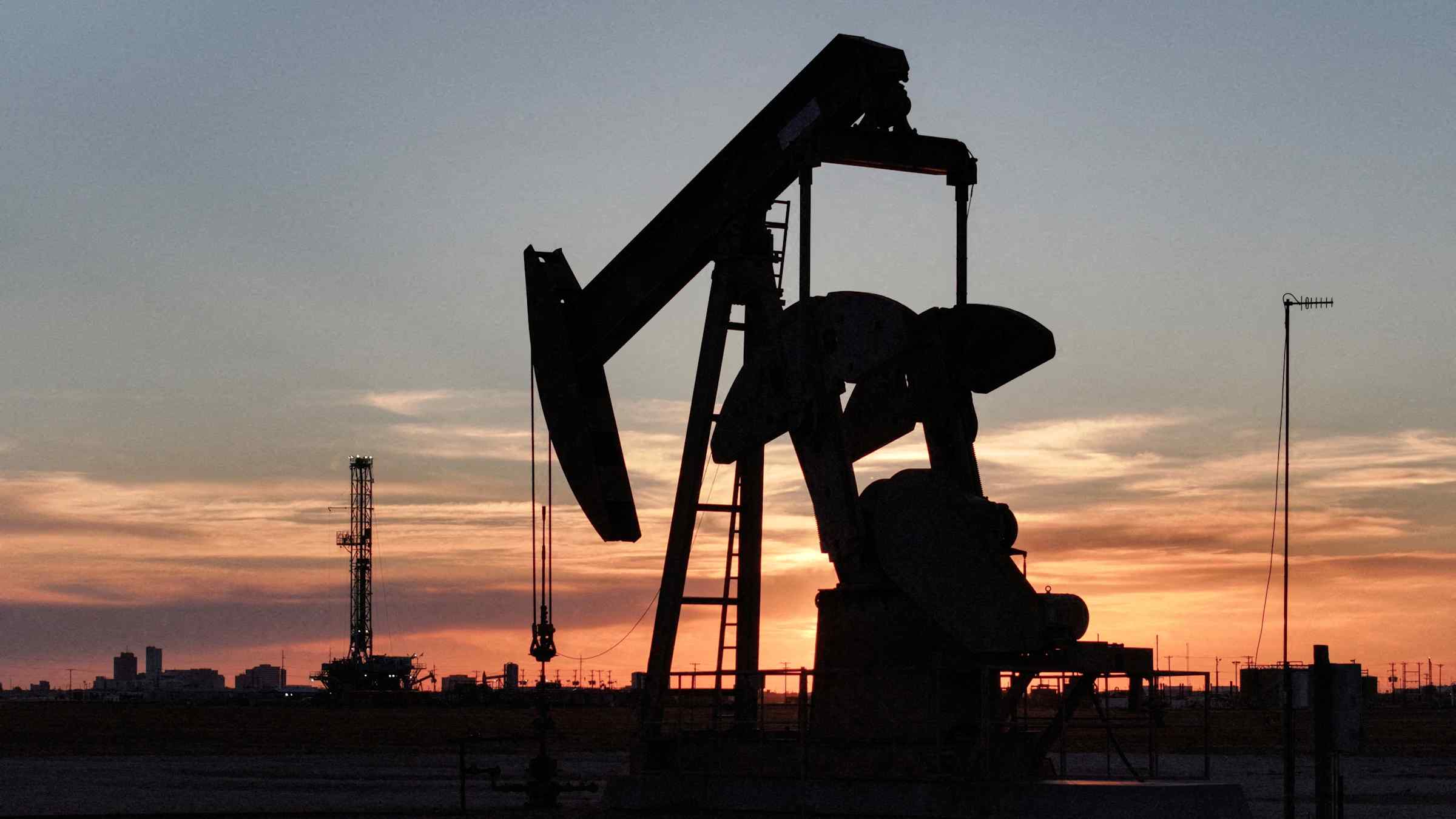
The Organization of the Petroleum Exporting Countries (OPEC) and its allies have agreed to increase oil production quotas by 206,000 barrels per day for May, despite ongoing supply disruptions caused by the conflict involving the US, Israel, and Iran.
The situation has led to the continued closure of the Strait of Hormuz since late February, a critical global oil transit route. As a result, exports from key OPEC+ producers such as Saudi Arabia, the United Arab Emirates, Kuwait, and Iraq have been significantly affected.
During a virtual meeting held on Sunday, eight OPEC+ members — Saudi Arabia, Russia, Iraq, the UAE, Kuwait, Kazakhstan, Algeria, and Oman — endorsed the output increase while emphasizing the need to closely monitor market conditions and ensure stability.
The group also raised concerns over attacks on energy infrastructure, noting that restoring damaged facilities is costly and time-consuming, further limiting supply.
Although the planned increase represents less than 2% of the disrupted supply, OPEC+ sources say it signals readiness to boost production further once the Strait of Hormuz reopens.
Meanwhile, global crude oil prices have surged to nearly $120 per barrel, marking a four-year high. JPMorgan has warned that prices could climb above $150 if disruptions continue into mid-May.
The ongoing crisis has removed an estimated 12 to 15 million barrels per day from global supply, accounting for up to 15% of total output.
Iran has allowed limited use of the strait for certain countries, with Iraq reportedly exempt from transit restrictions. Diplomatic efforts are underway, including talks between Oman and Iran, to ensure safe passage through the waterway.
US President Donald Trump has also warned of escalating attacks on Iran, including potential strikes on civilian infrastructure, if the Strait of Hormuz is not reopened soon.