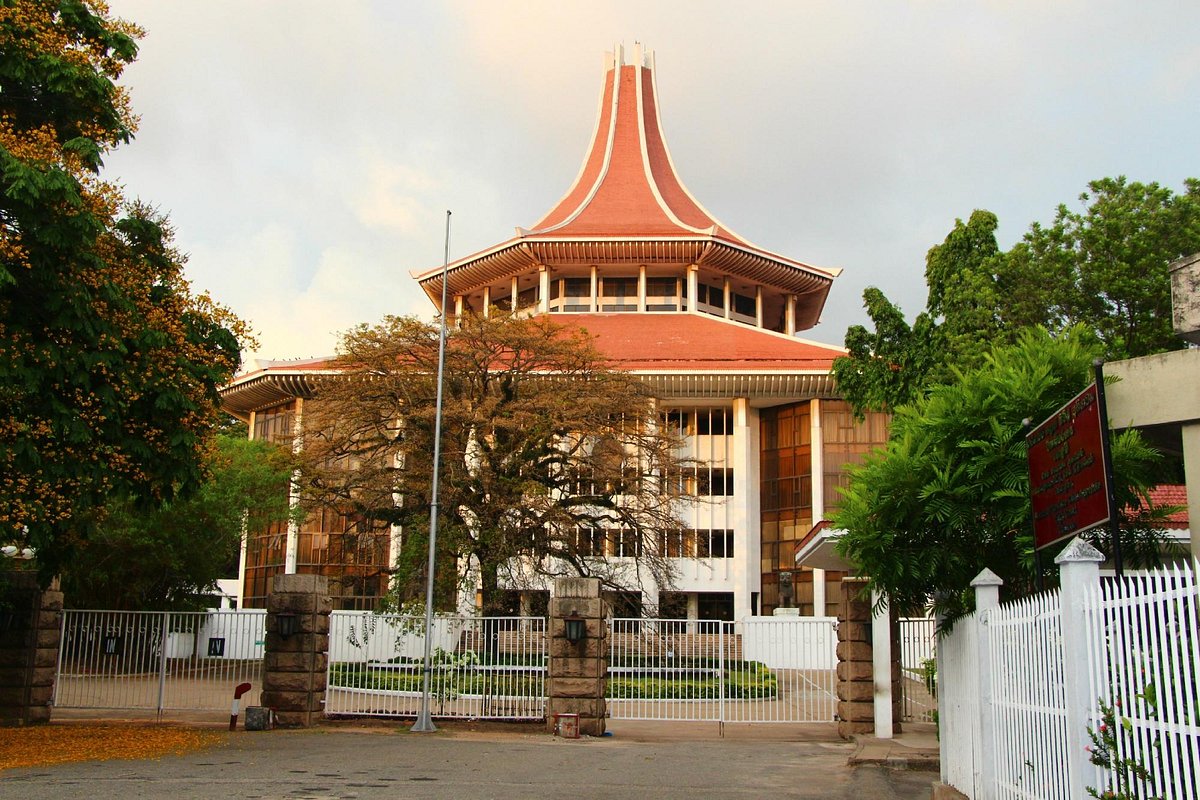
Transparency International Sri Lanka (TISL) has filed a petition before the Supreme Court challenging the proposed Anti-Corruption (Amendment) Bill 2026, arguing that several provisions amount to a major policy regression and undermine constitutional safeguards.
The petition, filed on August 31, states that a number of clauses in the Bill are inconsistent with Articles 1, 3, 4, 12, 13, 14(1)(a), 14A, 126, 140 and 156A(1)(c) of the Constitution.
TISL argues that the proposed amendments could infringe upon the sovereignty of the people, weaken protections under the Right to Information Act and interfere with judicial power.
Among the provisions challenged are Clause 4, which would remove judicial oversight in prosecutions involving accomplices. Under the proposed amendment, the Director-General of the Commission to Investigate Allegations of Bribery or Corruption (CIABOC) would be able to decide whether to refrain from prosecuting an accomplice without obtaining authorisation from a magistrate.
TISL has also challenged Clauses 6 and 18, which would increase the state-shareholding threshold from 25% to 50%. The organisation says this could exclude a number of state-linked companies from asset declaration requirements, despite such entities exercising control over public assets.
Meanwhile, Clause 7 seeks to remove the requirement to declare the assets of cohabitants, which TISL says could create loopholes for concealing illicit wealth.
Another contentious provision is Clause 11, which would grant CIABOC broad powers to redact information in asset declarations while making the use of redacted declarations outside formal submissions a criminal offence punishable by a fine or imprisonment.
TISL warned that these provisions could significantly restrict civic space, investigative journalism and the free media, creating a chilling effect on the freedom of expression guaranteed under Article 14(1)(a) of the Constitution.
The petition also challenges provisions that would make bail an exception and remand the norm, arguing that they are vague, overly broad and inconsistent with principles of proportionality.
TISL has therefore asked the Supreme Court to determine that the disputed provisions cannot be enacted into law unless they are approved by a two-thirds majority in Parliament and subsequently endorsed by the people at a referendum.